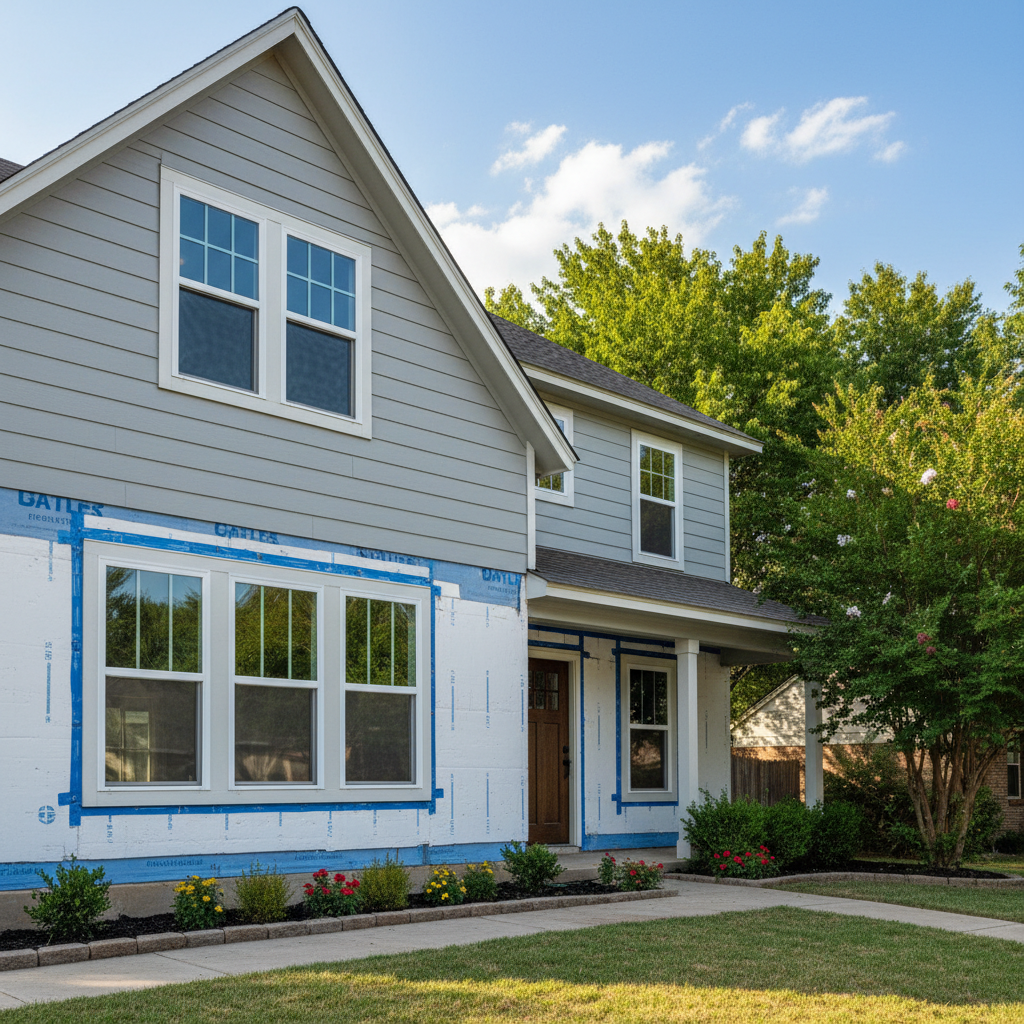
You're probably thinking about insulation because your energy bills are too high, or maybe your house just feels drafty all the time. Good for you for looking into it – proper insulation makes a huge difference. But let me tell you, I've seen a lot of folks in Moore make some pretty common, and expensive, mistakes when they're trying to get this done. I want to help you avoid that regret.
Not Understanding What You Actually Need
This is probably the biggest one. A lot of homeowners just call up a contractor and say, "I need more insulation." But what kind? Where? What's your current R-value? You don't need to be an expert, but you should have a basic idea of what your home is lacking. Is it your attic? Your walls? Your crawl space? Different areas need different types of insulation and different R-values. For example, if your attic has blown-in cellulose from 30 years ago, just adding a thin layer of fiberglass batts on top might not be the most effective solution, especially with our crazy Oklahoma weather swings. You need to know if you're dealing with a heat loss problem in winter or a heat gain problem in summer, or both.
Falling for the Cheapest Bid
Look, I get it. Money matters. Everyone wants a good deal. But insulation isn't like buying a gallon of milk; it's an investment in your home's comfort and efficiency for decades. The cheapest bid often means corners are being cut. Maybe they're using lower quality materials, not sealing air leaks properly before insulating, or rushing the job. I've seen jobs where they just pile insulation on top of old stuff without addressing ventilation, which can lead to moisture problems down the road. Or they don't properly insulate around ductwork in the attic, which totally defeats the purpose. A cheap upfront cost can lead to higher energy bills and even more repairs later. Always ask for a detailed breakdown of materials and labor, not just a single number.
Ignoring Air Sealing First
This is a critical step many homeowners and even some contractors overlook. You can blow in a foot of the best insulation money can buy, but if your attic is full of unsealed gaps and cracks, you're still losing a ton of conditioned air. Think of insulation as a blanket and air sealing as a windbreaker. You need both. We're talking about sealing around plumbing stacks, electrical wires, recessed lights, and attic hatches. In older homes, especially those built in the 70s or 80s around the Santa Fe neighborhood, these air leaks can be massive. If your contractor isn't talking about air sealing before they even mention insulation, that's a red flag. It's like trying to fill a bucket with water when it has holes in the bottom.
Not Checking References or Licenses
This seems obvious, but people get busy, or they trust a friendly face. Don't skip this. Any legitimate contractor should be happy to provide references and show you proof of their licensing and insurance. You want to make sure they're properly insured in case of an accident on your property. And talking to past clients can give you a real feel for their professionalism, their communication, and the quality of their work. A company that's been around for a while, like us at Moore Siding Company, will have a track record you can check.
Not Asking About Warranties
What kind of warranty do they offer on the materials? What about the labor? Good insulation should last a long time, but sometimes things go wrong. A reputable contractor will stand behind their work. If they're vague about warranties or don't offer one, that's a sign they might not be confident in their installation or the products they're using. You're making a significant investment, so you deserve that peace of mind.
Assuming All Insulation is the Same
It's not. You've got fiberglass batts, blown-in fiberglass, blown-in cellulose, spray foam (open-cell and closed-cell), rigid foam boards, and more. Each has its pros and cons, and specific applications where it performs best. Spray foam, for instance, offers excellent air sealing and R-value, but it's more expensive and requires specialized equipment. Blown-in cellulose is great for attics and has good sound-dampening properties. Don't just let a contractor tell you what they're going to use; ask why they recommend it for your specific situation. A good contractor will explain the different options and help you make an informed decision based on your budget and your home's needs.
Getting your insulation right can save you a lot of money and make your home a lot more comfortable. Just take your time, do a little homework, and ask the right questions. It'll pay off in the long run.